
Understanding Cargo Handling & Distribution in Modern Logistics
Understanding Cargo Handling & Distribution in Modern Logistics
Cargo handling and distribution are important parts of an efficient logistics operation. From the moment goods are collected and prepared to the point where they are organized for distribution, each stage requires proper coordination and careful handling.
For businesses that regularly manage physical goods, an organized cargo handling and distribution process can help reduce operational delays, improve the movement of goods, and maintain better control over logistics activities.
Chowdhury Transportation provides cargo handling and distribution support services designed to help businesses manage goods through structured collection, preparation, handling, consolidation, and distribution processes.
What is Cargo Handling?
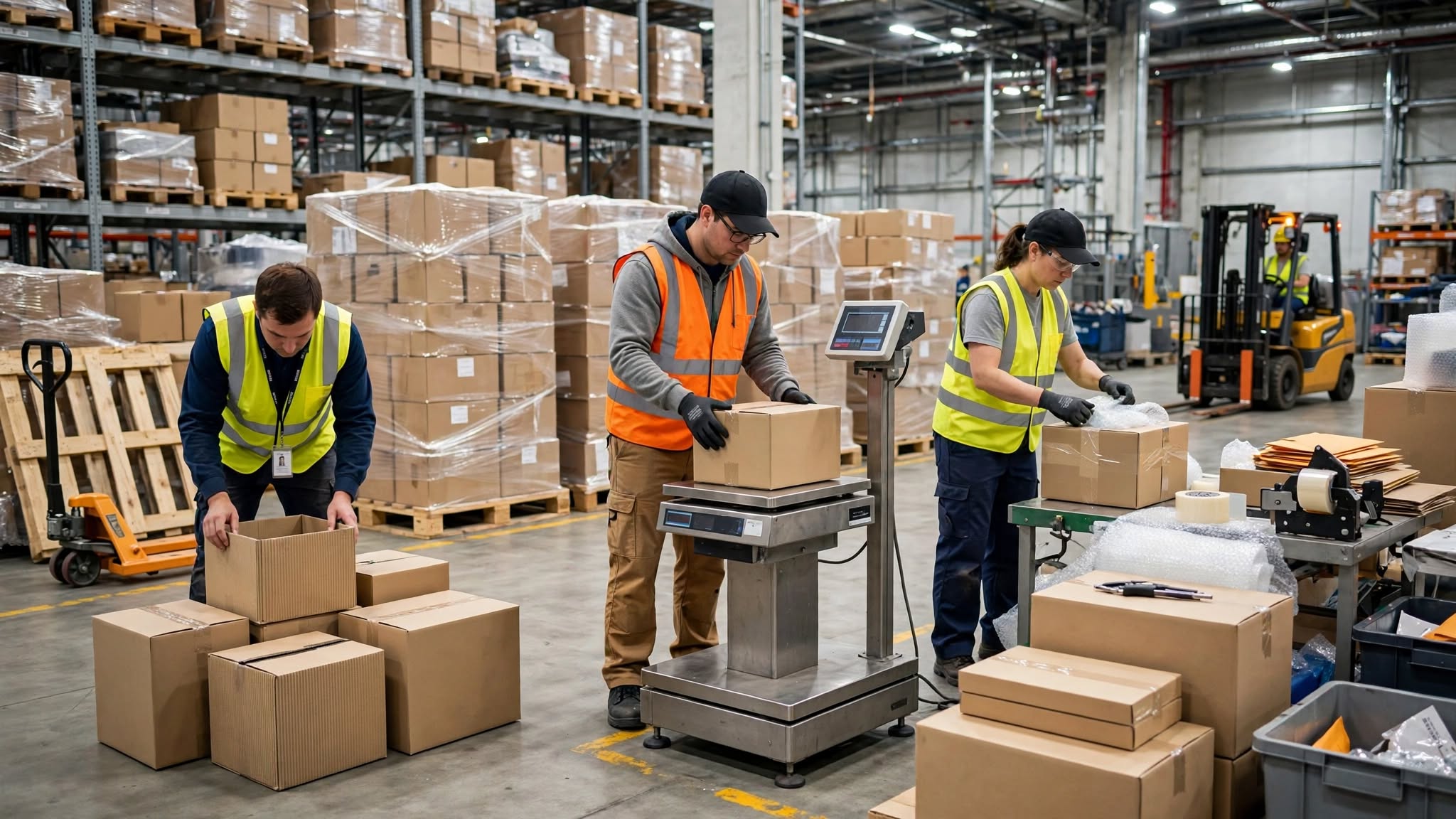
Cargo handling refers to the operational activities involved in moving, preparing, organizing, and managing goods during different stages of a logistics process. Depending on the nature of the goods, handling activities may include loading, unloading, sorting, weighing, packing, unpacking, grouping, and temporary handling.
Proper cargo handling is essential because goods may pass through several operational stages before reaching their intended destination or distribution point. A structured handling process helps businesses maintain better organization and reduces the possibility of unnecessary delays or confusion.
What is Distribution?
Distribution is the organized process of moving goods from a collection or storage point toward their intended delivery or operational destination. It involves coordinating the movement and grouping of goods according to business requirements.
An effective distribution process helps businesses maintain a consistent flow of goods and ensures that products or materials are properly organized before they move to the next stage of the supply chain.
Key Elements of Cargo Handling
Effective cargo handling involves several operational activities that contribute to the safe and organized management of goods.
- Loading and Unloading: Properly handling goods during loading and unloading activities to maintain an organized workflow.
- Sorting and Grouping: Organizing goods according to type, quantity, destination, or other operational requirements.
- Weighing: Measuring goods when required as part of shipment preparation and handling procedures.
- Packing and Repacking: Preparing goods in suitable packaging or arranging them for improved handling and transportation.
- Temporary Handling: Managing goods during temporary operational stages before they proceed to the next phase.
- Shipment Preparation: Preparing goods for organized movement and distribution.
Why Proper Cargo Handling Matters
Poorly organized cargo handling can create unnecessary delays, increase operational inefficiencies, and make it more difficult for businesses to maintain an organized flow of goods.
A structured cargo handling process can help businesses:
- Improve the organization of goods
- Reduce unnecessary handling and operational delays
- Support more efficient shipment preparation
- Maintain better control over grouped goods
- Improve coordination between collection and distribution activities
- Support consistent logistics operations
The Role of Consolidation in Distribution
Goods consolidation involves grouping multiple goods or shipments together based on specific operational requirements. Consolidation can make the handling and movement of goods more organized, particularly when businesses manage different quantities or categories of goods.
By properly grouping goods, businesses can simplify handling activities and create a more structured process for subsequent distribution. Effective consolidation also requires accurate organization and clear identification of the goods being handled.
Shipment Preparation for Efficient Distribution
Shipment preparation is another important part of cargo handling and distribution. Before goods are moved, they may need to be packed, grouped, weighed, labeled, or otherwise prepared according to their handling requirements.
Proper preparation helps ensure that goods are organized before entering the distribution process. It can also reduce unnecessary interruptions and improve coordination between different operational stages.
Distribution Support for Businesses
Businesses often need reliable operational support when managing the movement of goods between different locations. Distribution support can help coordinate the organized handling and movement of goods according to specific business requirements.
Depending on the operational scope, distribution support may involve goods collection, grouping, preparation, handling, and coordination of movement between relevant locations.
An organized distribution process allows businesses to maintain a more predictable flow of goods while reducing avoidable operational complications.
How Businesses Benefit from Organized Cargo Handling
Professional cargo handling and distribution support can provide several operational advantages for businesses.
- Better organization of goods and shipments
- Improved handling efficiency
- More structured distribution processes
- Reduced risk of unnecessary operational delays
- Better coordination between collection, handling, and distribution
- Greater flexibility for changing logistics requirements
Choosing the Right Cargo Handling Support
Different businesses have different cargo handling requirements. The type, quantity, packaging, handling characteristics, and distribution requirements of goods can all affect how logistics activities should be organized.
When selecting cargo handling and distribution support, businesses should consider the provider’s service capabilities, operational reliability, communication, handling procedures, and ability to accommodate their specific requirements.
A clear understanding of the required logistics activities can help businesses select appropriate support and maintain a more efficient goods movement process.
Chowdhury Transportation’s Cargo Handling & Distribution Support
Chowdhury Transportation provides practical cargo handling and distribution support for businesses that require organized management of their goods.
Our services include:
- Cargo Handling Services
- Shipment Preparation Services
- Goods Collection & Consolidation
- Distribution Support Services
- Transportation Support Services
- Logistics Services
Our focus is on supporting the operational side of goods movement, helping businesses manage collection, handling, preparation, grouping, and distribution activities in a structured manner.
Final Thoughts
Cargo handling and distribution are essential components of an organized logistics operation. From loading and unloading to shipment preparation, consolidation, and distribution support, each activity contributes to maintaining an efficient flow of goods.
Businesses that establish structured cargo handling processes can improve operational coordination, reduce unnecessary delays, and maintain better organization throughout their logistics activities.
With reliable cargo handling and distribution support, businesses can manage their goods more efficiently and build a more consistent approach to their transportation and logistics requirements.